
Cervical stenosis occurs when the spinal canal in the neck narrows, putting pressure on the spinal cord or nearby nerves. This narrowing can develop gradually over time as the spine changes with age or may be the result of an acute process, such a large disc herniation taking up significant room from the nerves and spinal cord.
Most people describe cervical stenosis as neck pain alone, but other symptoms may also occur, including numbness, tingling, or even weakness in the arms and/or hands. In more advanced cases, it can also affect balance, coordination, or the ability to walk normally. In these cases, it is highly recommended that a patient seek immediate evaluation.
POSH specialists offer a range of treatments to help patients manage cervical stenosis, including both nonsurgical and surgical options tailored to each patient’s individual needs.
Cervical stenosis often develops when age-related changes narrow the spinal canal in the neck. Common causes include:
Diagnosing cervical stenosis starts with a thorough evaluation by a POSH spine specialist. Our specialists typically evaluate patients by:
POSH specialists work alongside a multidisciplinary team to deliver nonsurgical treatments for cervical stenosis when it is appropriate. If physical exam results do not show substantial neural tissue damage and the loss of function, these non-invasive measures serve as an initial strategy to manage symptoms prior to considering surgery.
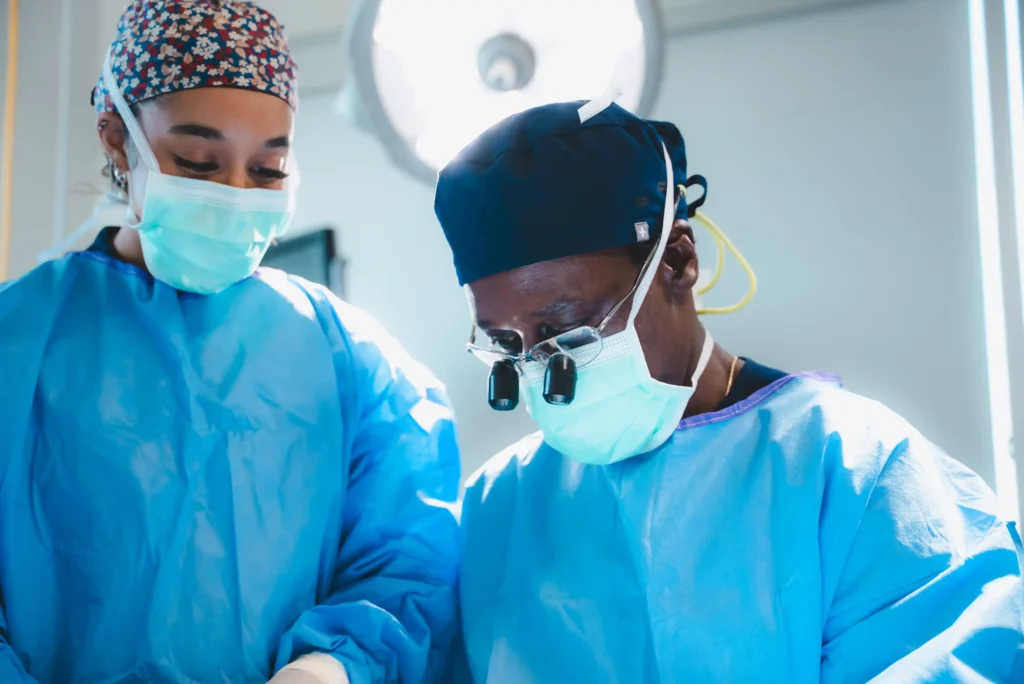
When nonsurgical methods don’t provide sufficient relief, a POSH specialist will discuss surgical options, which may include:
