
Not all back pain comes from an injury, sometimes it stems from the natural curve of the spine itself. Scoliosis, a sideways curvature or an exaggerated curve of the spine, can develop in childhood or later in life. Understanding your condition is an important part of exploring and determining the correct treatment for your condition.
Traditional scoliosis occurs when the spine curves abnormally to one side, often forming a “C” or “S” shape rather than the spine’s typical straight alignment. In many cases, the exact cause isn’t known, though it can also result from age-related changes or underlying medical conditions.
Many people with scoliosis may notice their shoulders or waistline is uneven, or that one hip appears higher than the other. In more pronounced cases, it can also cause back pain, stiffness, or difficulty breathing if the curve affects the chest cavity.
POSH specialists offer a range of treatments to help patients manage scoliosis, including both nonsurgical and surgical options tailored to each patient’s individual needs.
Scoliosis can develop for several reasons, and in many cases, the exact cause is unknown. Common causes and types include:
Diagnosing scoliosis starts with a thorough evaluation by a POSH spine specialist. Our specialists typically evaluate patients by:
POSH specialists work alongside a multidisciplinary team to deliver nonsurgical treatments for scoliosis. These conservative approaches are often the first step toward relief before surgical recommendations.
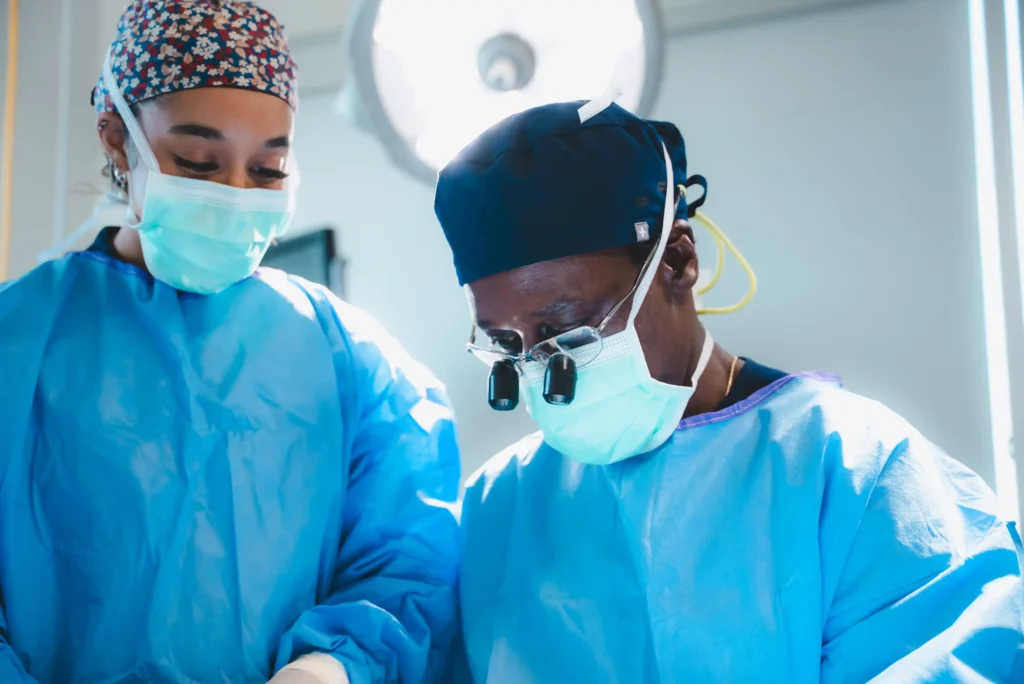
When nonsurgical methods don’t provide sufficient relief or the curve continues to progress, a POSH specialist will discuss surgical options, which may include:
